
Easy Ways to Keep Your Horse Comfortable in Hot Weather

Summer brings longer days, more time in the saddle and turnout but it also brings challenges that every horse owner needs to plan for. From dehydration to hard ground injuries, here's how to keep your horse comfortable, safe and healthy when temperatures rise.

Summer brings longer days, more time in the saddle and turnout but it also brings challenges that every horse owner needs to plan for. From dehydration to hard ground injuries, here’s how to keep your horse comfortable, safe and healthy when temperatures rise.

1. Water, Water, Water

It sounds obvious but it bears repeating. Horses can drink up to 68 litres of water a day in hot weather, and that figure rises with exercise. Always ensure your horse has access to fresh, clean water at all times, both in the stable and in the field. Hydration mashes are a good idea to encourage hydration if your horse is a poor drinker.

Check water troughs daily. In summer they can warm up quickly, attract algae and become less appealing to horses. A clean, cool trough is far more likely to be drunk from than a warm, stagnant one. Warm weather and dehydration are also among the most common summer triggers for colic, so keeping water intake up is one of the most effective forms of prevention you have.

2. Think About Turnout Times

In peak summer heat, particularly during heatwaves, consider adjusting your turnout routine. Many horse owners find that turning horses out overnight and bringing them in during the hottest part of the day, typically between 11am and 4pm, reduces heat stress significantly.
If overnight turnout isn’t an option, make sure your horse has access to natural shade from trees or a field shelter. Direct sun exposure for long periods on a hot day is uncomfortable at best and dangerous at worst, particularly for older or darker-coated horses who absorb more heat.
image

3. Watch the Ground Conditions

Hard, sun-baked ground is one of the less talked-about summer hazards. When the ground is firm, the risk of concussion injuries, trips and stumbles increases, particularly in the field where uneven ground can hide divots and holes beneath a dry, crusty surface.
Walk your field regularly to check for ground conditions and consider reducing turnout time or restricting access to areas of particularly hard or uneven ground. If you’re riding, be mindful of the going and adjust your work accordingly. This is exactly the time of year when accidental injuries become more likely, which is worth keeping in mind when you think about the protection your horse has in place.

4. Keep on Top of Fly Control

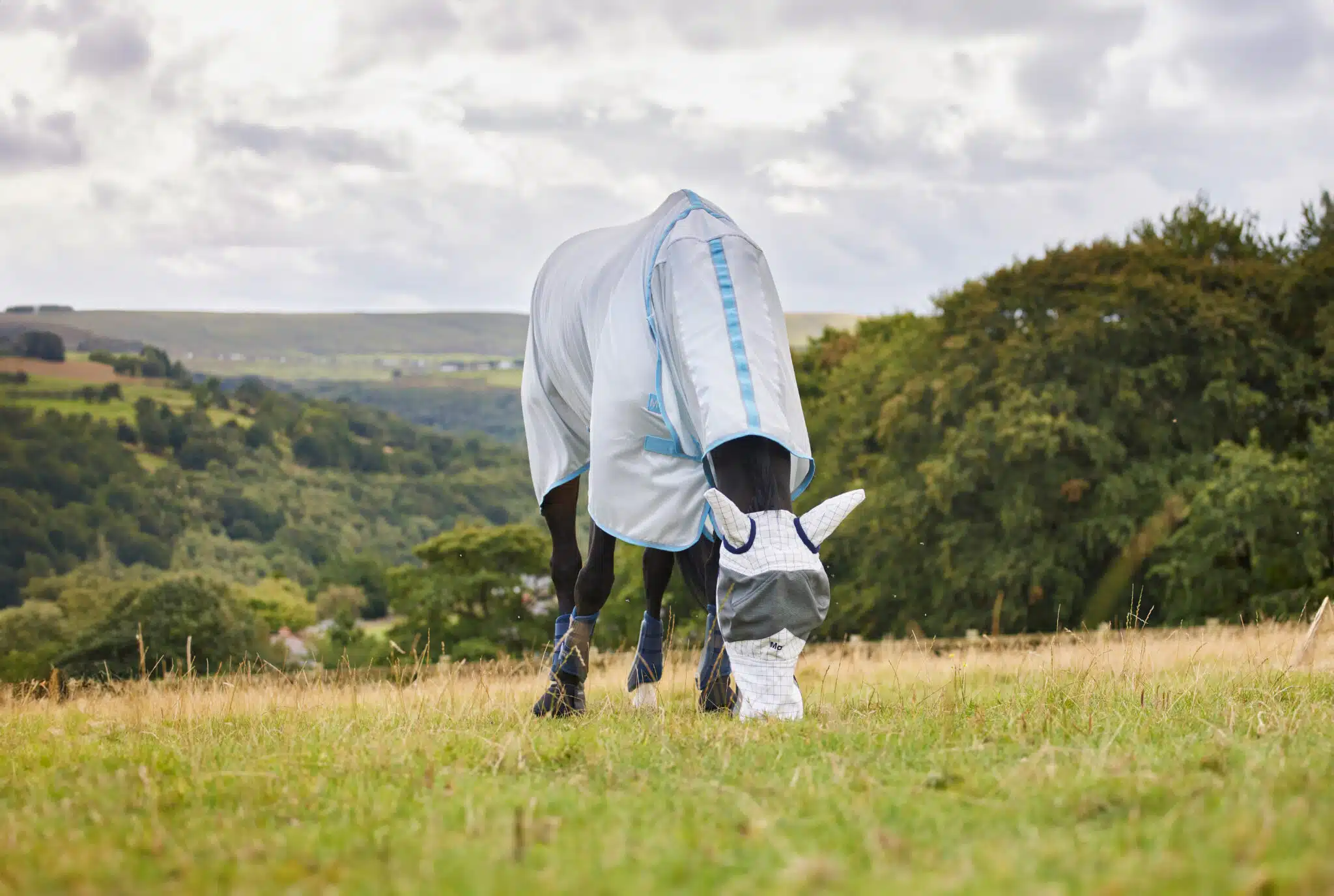
Flies are a significant source of stress for horses in summer. A horse that is constantly stamping, shaking its head and unable to rest is a horse burning unnecessary energy and under constant low-level stress. Invest in a good quality fly rug and mask, use appropriate fly spray and if possible, stable during the worst of the fly activity in the middle of the day.
Sweet itch sufferers need particular attention from the start of the season, if you haven’t already got a management plan in place, speak to your vet about options sooner rather than later.

5. Adjust Your Feeding

Horses on lush spring and summer grass may need less hard feed. Over-conditioning in summer is a real risk, particularly for good doers and native breeds. On the flip side, horses that are working hard in the heat need their electrolytes replacing, sweating causes significant loss of salts that affect muscle function and hydration.
Consider adding an electrolyte supplement to your feeding regime during hot spells, particularly around competition or heavy work. Always introduce changes to diet gradually and if you’re unsure what your horse needs, ask your vet or an equine nutritionist.
image

6. Cool Down Properly After Exercise

Avoid working your horse hard in the hottest part of the day. Opt for early morning or evening exercise when temperatures are lower and the ground is slightly more forgiving. After exercise, cool your horse down thoroughly. cold water over the large muscle groups and neck repeatedly is one of the most effective cooling methods available. No need to scrape!
Don’t rug until your horse is completely dry and their temperature has returned to normal. A well-meaning summer sheet or fly rug over a still-warm horse can actually trap heat rather than dissipate it.

7. Know the Signs of Heat Stress

Every horse owner should know what to look for. Signs that your horse may be overheating include excessive sweating or conversely a lack of sweating, rapid breathing that doesn’t settle after rest, high heart rate, lethargy and muscle weakness. In serious cases you may see signs of confusion or collapse.
If you suspect heat stress, move your horse to shade immediately, apply cold water, call your vet and do not leave them unattended. It is a genuine emergency.

One More Thing Worth Thinking About This Summer…

Hard ground and increased activity all raise the risk of accidental injuries during the summer months.

If summer is prompting you to review what protection your horse has, it’s worth taking a few minutes to check your cover is right for the season ahead.

Harry Hall One Club’s annually renewable lifetime vet fee cover starts from £8.40 per month and covers accidental external visible injuries.

Same price for any horse from 30 days old
– Cover multiple horses under one membership
No increase if you claim
99% of valid claims paid within 14 days*
– Add on Colic Surgery Cover, Mortality, Theft and Straying too

Find out more about vet fee cover →

Quick Summer Checklist

  • Fresh water available at all times — check and clean troughs daily
  • Adjust turnout to avoid the hottest part of the day
  • Check field conditions regularly for hard or uneven ground
  • Fly protection in place — rug, mask and spray
  • Electrolytes considered for horses in regular work
  • Cool down properly after exercise before rugging
  • Know the signs of heat stress and have your vet’s number to hand

Rated Excellent based on 20,090 reviews from

Reviews.io logo