
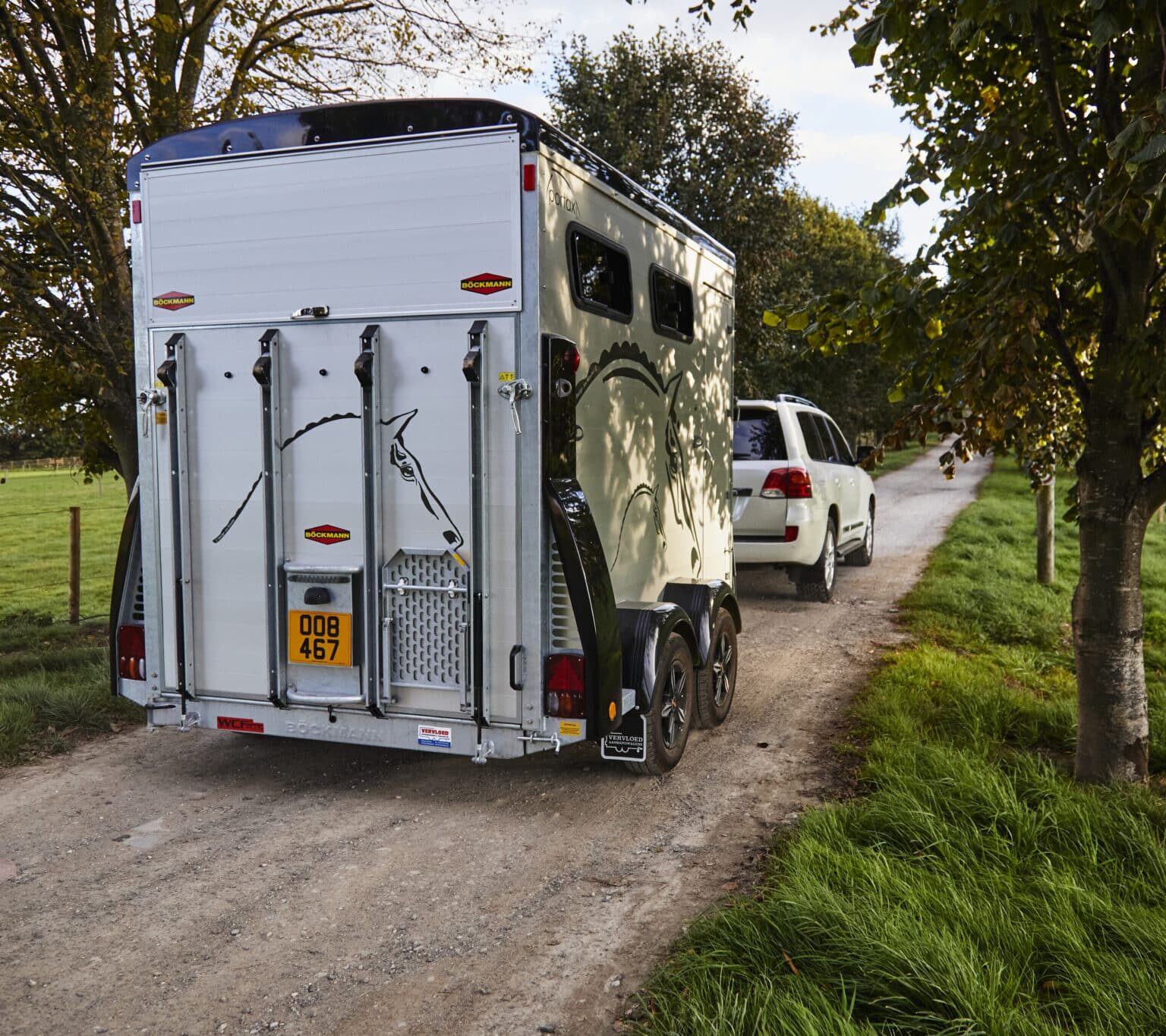
How to Protect Your Horse Trailer at Home and On the Road

Horse trailer theft is an increasing concern across the UK.
Trailers are high value, easy to move, and often targeted from yards, driveways and even public car parks while owners are out riding. The good news is that a visible security approach can significantly reduce the risk and improve recovery chances if the worst happens.
Drawing on real owner experiences and best practice, here is a practical guide to keeping your horse trailer safe and secure.

Start with insurance approved physical security
Most specialist equestrian insurance policies require recognised security devices, so it is important to check the policy wording before purchasing.
Hitch locks
A high quality hitch lock is considered essential. Bulldog and SAS hitch locks are widely regarded as industry standards and are accepted by the majority of insurers. Many models can be fitted both when the trailer is hitched to your vehicle and when it is unhitched, which is particularly useful when parked at beaches, forestry car parks or showgrounds.
Tip: Keep spare keys in a safe place. Losing the key can be just as inconvenient as losing the trailer.
Wheel clamps
A wheel clamp acts as both a deterrent and a delay tactic. Secure one of the rearmost wheels rather than a front wheel, as some thefts involve lifting front wheels off the ground. Using a wheel clamp alongside a hitch lock is far more effective than relying on one device alone.
At home storage
If your trailer is stored at home or at a yard for long periods, consider additional measures such as a ground anchor, gated compound or physically blocking the trailer in with another vehicle. Some owners go as far as removing wheels and leaving the trailer on axle stands if it will not be used for some time. In addition, hiding the vehicle out of sight where possible is advised.
Trackers and smart tags
GPS trackers and Bluetooth tags such as Apple AirTags are now relatively affordable. They do not prevent theft, but they hugely increase the chance of recovery and can provide real time location data to police.
Data tagging Systems
Data tagging systems use uniquely coded microdots hidden across the trailer and are almost impossible to remove completely. Prominent warning stickers are a key part of the deterrent, alerting thieves that the trailer is traceable even if visible markings are altered. Always check your policy wording or speak with your insurer to confirm eligibility and approved systems.
Tip: With Harry Hall One Club, premiums are set at a highly competitive rate, but in addition, trailers valued over £8,000 currently see a direct reduction in premium from a data tag.
Alarms
Some owners discreetly secure a personal attack alarm under the trailer body with the pull cord attached to the towing vehicle. If someone attempts to move the trailer while attached, the alarm sounds and draws attention. It will not stop a determined thief, but it can be enough to disrupt an opportunistic attempt.
Wheels got other ideas?
Recovery to get you moving
- Breakdown & Recovery Cover from £88.20 per year to get you and your horse home safe.
- Includes vehicle cover when not towing.
- Add on your trailer insurance from £8.50 per month.
Make your trailer is easy to identify, hard to resell
One of the most effective deterrents is making your trailer visually distinctive. Thieves prefer trailers that can blend in and be resold quickly.
Postcode and ID marking
Marking your postcode and house number in large lettering on the trailer roof and upper panels makes aerial identification easier and reduces resale appeal. Etching the postcode into windows adds another permanent visual deterrent. Some owners also mark internal panels and less visible areas to make tampering more difficult.
Unique appearance
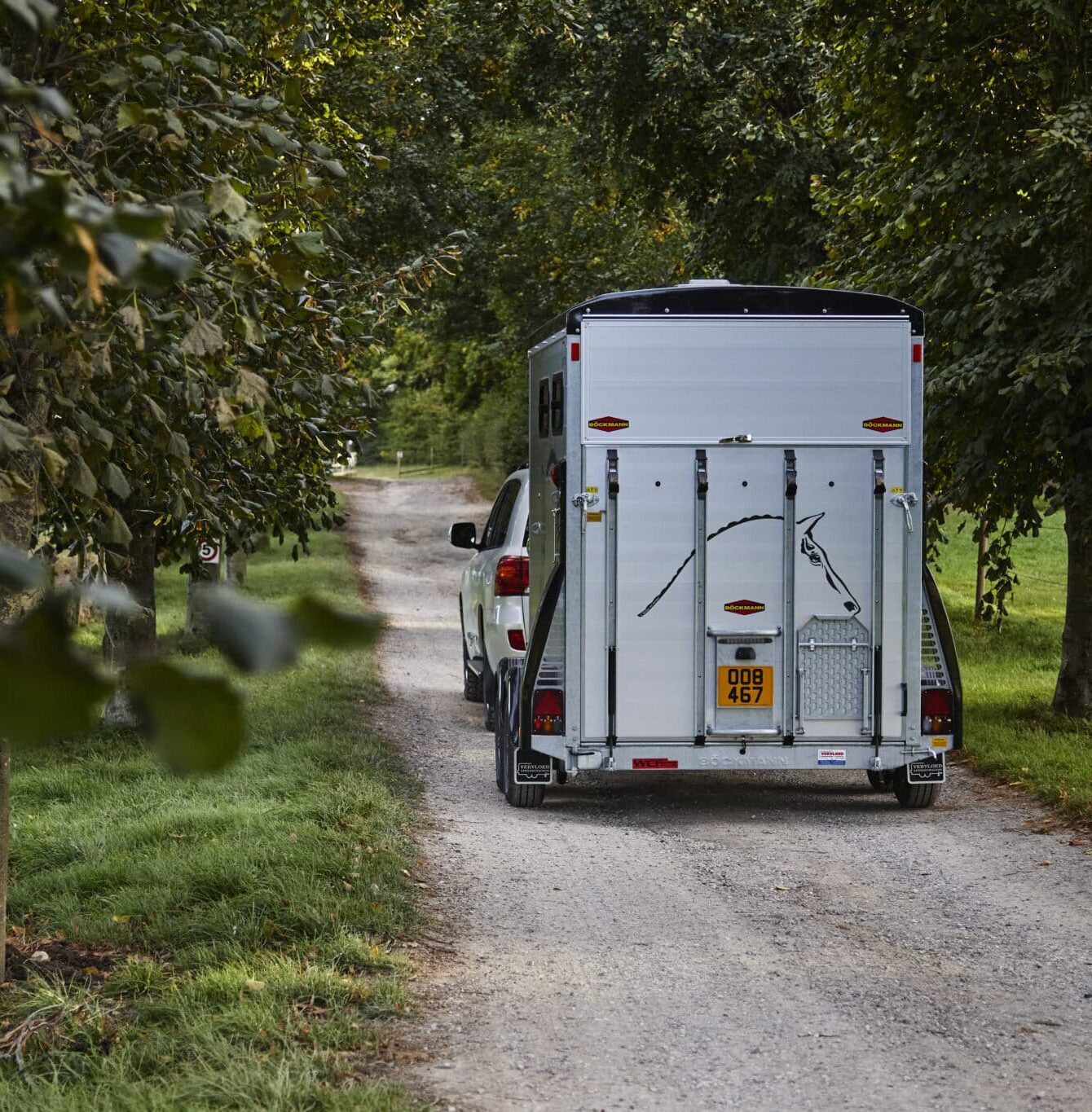
Custom decals, vinyl graphics or even hand painted designs can make a trailer stand out in a car park full of identical models. While this may not appeal to everyone, it has repeatedly proven effective in real theft incidents, with thieves leaving distinctive trailers behind.
Local signwriters, motorsport decal companies and specialist vinyl printers can all produce bespoke waterproof graphics. Even simple colour blocking or understated horse silhouettes can be enough to distinguish your trailer.
Security stickers
Warning stickers such as “If this trailer is being moved outside set hours please contact police” or notices stating the authorised towing vehicle can add another psychological barrier.
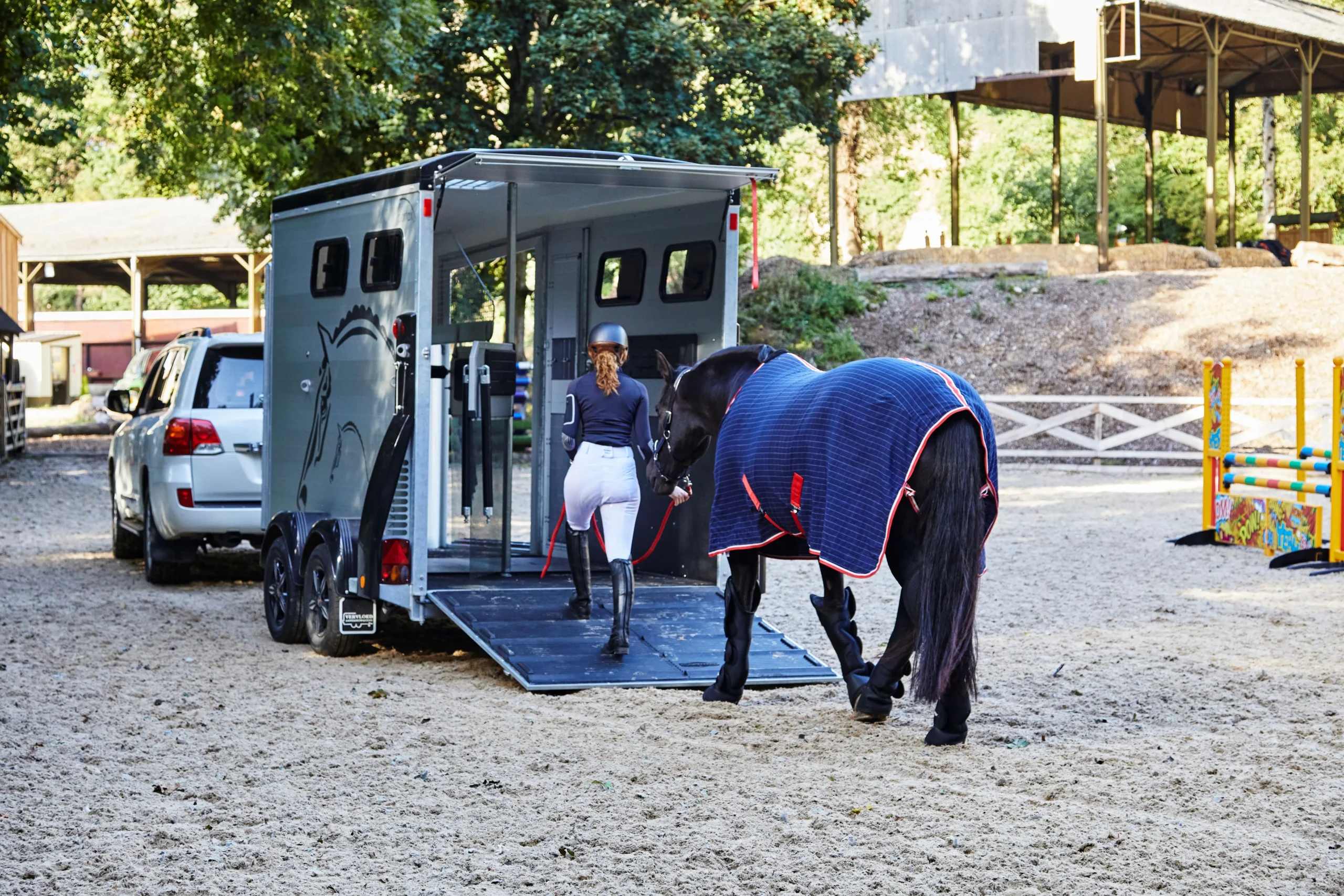
What about when you are out hacking?
This is one of the most common concerns for horse owners. Practical steps include:
- Leave the trailer attached to the car where possible
- Apply a hitch lock even while hitched if your model allows
- Use a wheel clamp alongside the hitch lock
- Park in visible, well used areas rather than isolated corners
- Avoid predictable routines and parking spots
The aim will not make your trailer impossible to steal, but make it slower, noisier and riskier than the one next to it.

What to do if your trailer is stolen
What should I do first if my horse trailer is stolen?
Report the theft to the police immediately and request a crime reference number. If your trailer is fitted with a tracker or smart tag, share the live location data straight away, as early information greatly improves recovery chances.
How soon should I contact my insurance company?
Contact your insurer as soon as you have reported the theft to the police. Most policies require prompt notification. Have your crime reference number ready, along with the trailer make, model, serial number and any identifying features.
What information will my insurer need?
Insurers typically ask for:
- Your policy number if you have it available
- Make, model and year of the trailer
- Chassis or serial number
- Security devices fitted, such as hitch locks, wheel clamps, trackers or data tagging
- Photographs of the trailer,taken before the theft
- Photographs of any damage or evidence caused when the trailer was stolen
- Details of where and how it was stolen
Keeping this information saved digitally can significantly speed up the claims process.
Should I inform anyone else if my trailer is stolen?
Yes. Notify local tack shops, livery yards, riding clubs and equestrian Facebook groups. Trailers are often spotted being towed or parked shortly after theft, and the horse community is highly effective at sharing information quickly.
Can stolen horse trailers be recovered?
Yes, especially when they are well marked or tracked. Trailers with visible postcode marking, data tags, unique decals or GPS trackers are significantly harder to sell on and are more likely to be recovered intact.
Conclusion
If someone wants a trailer badly enough, they may still take it. However, the more effort required and the more identifiable the trailer, the less attractive it becomes as a target.
Think in layers rather than single solutions. Physical locks, tracking, identification and visual deterrents all work together. Most importantly, check your insurance requirements and ensure your security measures meet their conditions.
While strong security reduces risk and improves recovery chances, having appropriate insurance in place to repair or replace your trailer provides vital peace of mind and ensures you are not left without transport if all other measures fail.
